
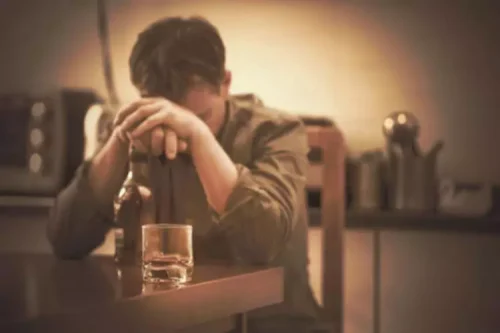
Share your journey, lean on others for support, and let them be a guiding light during challenging times. Drug treatment options are an evidence-based supplement to therapy, but neither of these work on their own. Common drugs prescribed to treat PTSD include antidepressants, anxiolytics, and antipsychotics. Evidence suggests particularly strong benefits from sertraline (Zoloft), paroxetine (Paxil), and venlafaxine (Effexor). Let’s delve into the challenging aspects of PTSD by exploring its causes, risk factors, connection to alcohol misuse, and ways of coping with it.
Alcohol Poisoning Signs & Symptoms
- Are there significant differences in the occurrence and trajectory of PTSD and AUD among racial and ethnic minorities?
- Whether it’s painting, writing, or playing music, artistic expression can provide a channel for processing emotions and breaking free from the constraints of trauma.
- One can cause or increase the risk for the other, leading to a destructive cycle.
- In addition to the difficult symptoms PTSD causes, this mental health condition can also lead to serious complications.
When you have an alcohol use disorder and a mental health condition like PTSD, it is referred to as having a dual diagnosis or co-occurring disorders. It is important that you treat both conditions together for the best possible outcome. When people do not receive the appropriate treatment for PTSD, they are more likely to turn to alcohol to manage their symptoms. Drinking alcohol with undiagnosed or untreated post-traumatic stress disorder can make things worse. They may initially feel better when drinking since alcohol’s CNS-depressing effects will help them feel calmer and more relaxed.
WHAT ARE THE IMPLICATIONS OF THE STUDY FINDINGS?
If you address your drinking while still avoiding a traumatic past, you are unlikely to have much success. Erin is a Nurse Practitioner with 8 years of experience in midwifery and women’s health. She has spent the past 5 years specializing in the treatment of opioid and alcohol use disorders. In both studies, prazosin was not effective in decreasing PTSD symptoms. In the only study with aprepitant, the active medication did not influence PTSD symptoms or alcohol craving in the laboratory in response to either stress reactivity or cue reactivity.
Causes and Symptoms of PTSD
Anyone who experiences negative consequences due to alcohol use deserves support and the opportunity to make positive changes. And sometimes alcohol usage disorders are simply a comorbidity that appears alongside PTSD, without one necessarily causing the other. PTSD is a disruptive condition, making it challenging or impossible to live normally. Therapy, especially trauma-focused therapy, medications, support, and coping mechanisms can help you regain control over your life. Although a large sample size was a strength of Blakey’s study, the research had limitations.
Most of the studies provided treatment for both disorders using either a combination of medications (Petrakis 2012) or a medication plus a psychosocial intervention (Brady et al. 2005, Foa et al. 2013, Hien et al. 2015). In the Brady study, the psychosocial intervention was provided to all participants to treat addiction and the Hien study provided all participants an integrated treatment to address both PTSD and AUD. In contrast, the Foa study used a base behavioral treatment to address AD for all participants and randomized to either receive or not receive an additional behavioral treatment for PTSD (Foa et al. 2013). The one study that did not allow concomitant medication was conducted in a safe and controlled inpatient unit (Kwako et al. 2015). Soldiers with PTSD who experienced at least one symptom of AUD may be disinhibited in a way that leads them to make risky decisions, including the potential for aggression or violence.
Up to a third of those who survive traumatic accidents, illness, or disaster report drinking problems. Alcohol problems are more common for those who experience trauma if they have ongoing health problems or pain. A person with PTSD is more likely to misuse alcohol to self-medicate their symptoms. And alcohol misuse can make a person more likely to be involved in a traumatic event that can lead to PTSD, such as car accidents or serious injuries. Some triggers are already present prior to a traumatic event, so you can help prevent PTSD by seeking proper treatment for your mental health.
- This commitment to a regular sleep schedule not only helps re-establish healthy sleep patterns but also communicates to yourself that you are a priority.
- Both within person daily levels of PTSD and between person overall levels of PTSD could interact with daily drinking amounts.
- Seeking guidance from a healthcare professional or an addiction specialist can provide personalized insights into the feasibility of moderation.
- Having PTSD increases the risk that you will develop a drinking problem.
- There are many resources out there to help you develop coping skills so you can move forward and thrive.
- However, findings from this study do challenge the notion that alcohol use disorder may be a barrier to receiving gold-standard treatment for PTSD.
Nine ptsd alcohol blackout RCTs were identified; three focused on medications to treat PTSD, four focused on AUD, and three to target both. One study included both a medication to treat PTSD and one to treat AUD so was discussed twice. All but one of the studies found that PTSD symptoms and drinking outcomes improved significantly over time. There is not one agent with clear evidence of efficacy in this comorbid group.
Symptoms of PTSD
And you also may have no idea that your symptoms are connected to a trauma that happened several months or years ago. It is important to understand how PTSD develops, how it can lead to alcohol use disorder (AUD), and what you can do to overcome it. The reasons for these differences are likely https://ecosoberhouse.com/article/alcohol-neuropathy-symptoms-and-treatment/ not due to significant methodologic differences as outlined above. First, four of the nine studies were conducted in primarily male veteran subjects; the rest had significant numbers of women. There is evidence of gender differences in medication response for both the antidepressants (Keers and Aitchison 2010) and naltrexone (Garbutt et al. 2014, Roche and King 2015).
Men with PTSD are two times more likely to develop a drinking problem. According to the National Center for PTSD, as many as three-quarters of people who have experienced violent abuse or assault report having issues with drinking later. Nearly a third of people who have gone through serious accidents, marijuana addiction illnesses, or natural disasters develop drinking problems.